
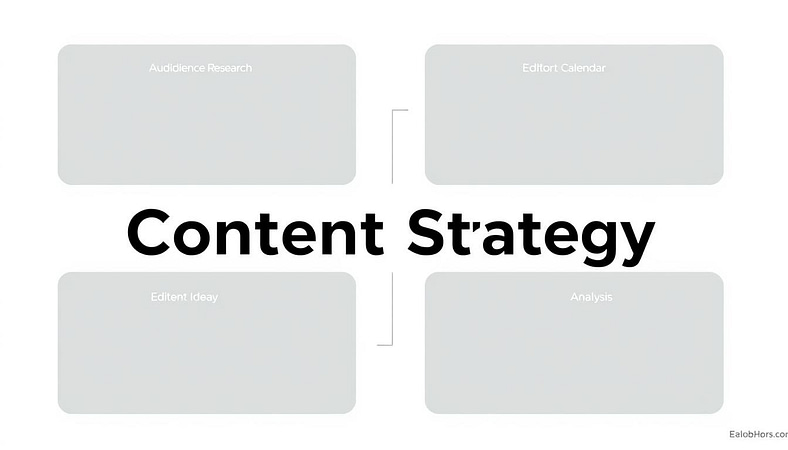
Imagine your website as a Bugatti Chiron stuck in traffic. You have great products and a modern design, but you’re slow. Why? You’re running on dollar-store fuel. Content strategy is your nitro boost. It’s the difference between being stuck and leaving others behind.
Take Backlinko’s playbook. They didn’t just stuff keywords. Instead, they made SEO content with precision. Now, they get 571,000 monthly visitors. It’s like a secret meeting where everyone knows the handshake.
Here’s the twist: high quality content isn’t about writing fast. It’s about building a strategy framework that answers three questions:
• Who’s your audience (besides “people with eyeballs”)?
• What gaps are you filling (beyond keyword gaps)?
• How does each piece fuel long-term growth?
Think of this as your pit crew manual. We’re about to show you how to stop chasing algorithms. Start building content that works smarter than a tenured college professor… with better retirement benefits.
What is a Content Strategy?
Think of your content strategy as the Waze app for your brand’s digital journey. It helps you avoid algorithmic potholes and competitor roadblocks. It’s not just about making blog posts. A good strategy combines content planning with precision and content goals that are sharp.
HubSpot’s EEAT framework (Expertise, Experience, Authoritativeness, Trustworthiness) is like your content GPS. Let’s break it down:
- Expertise: Your content should know more about keto diets than a CrossFit influencer at Whole Foods
- Experience: Show you’ve actually used the product/service – no “theoretical advice” allowed
- Authoritativeness: Build credibility like Taylor Swift builds chart-topping albums
- Trustworthiness: Be more transparent than a TikTok laundry-folding ASMR tutorial
Strategic content beats random blogging like Godzilla vs. Bambi:
| Strategic Content | Random Blogging | |
|---|---|---|
| Approach | Mapped to buyer journey stages | “Let’s write about cats wearing hats!” |
| Outcome | Consistent organic growth | Traffic spikes then vanishes |
| SEO Impact | Climbs rankings like Spider-Man | Drops faster than Twitter’s stock |
| Brand Perception | Industry thought leader | Digital dumpster fire |
Without a strategy, you’re throwing darts blindfolded while Google changes the target. I’ve seen companies lose 60% of their organic traffic. It’s like trying to assemble IKEA furniture without instructions. Twice.
The best content strategies answer three questions: Who needs this? Why should they care? How does this help them level up? Get this right, and you’ll have readers sticking around longer than guests at a Gatsby party.
Why Have a Content Strategy for SEO?
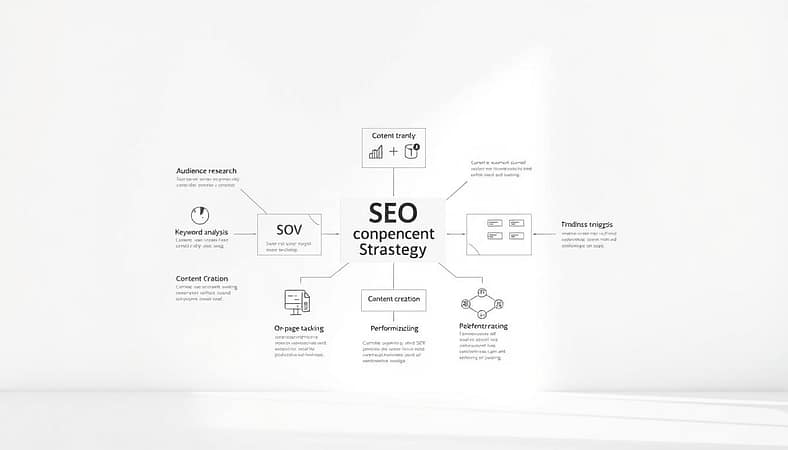
Imagine trying to put together IKEA’s Vindstyrka shelf with old instructions and oven mitts. That’s what SEO without strategy feels like today. Google’s algorithm has changed a lot, and old methods won’t work anymore.
Most people start their online searches on Google. But, many miss the point of content freshness. It’s not just about updating old posts. It’s about making your content keep getting better over time.
| Clueless Marketer | Strategic Marketer | |
|---|---|---|
| Approach | Posts randomly like a Twitter bot | Aligns content with search intent patterns |
| Keyword Usage | Stuffs “best SEO practices” 27 times | Semantically clusters related terms |
| Content Updates | Edits publication dates annually | Revises based on algorithm updates |
| Results | 2% traffic growth (6 months) | 217% traffic growth (6 months)* |
*Source 3 traffic data analysis
Today’s SEO is about speaking Google’s language. The algorithm looks for deep knowledge, like a sommelier judges wine. A single article is like cheap wine. But a well-linked cluster of 50 posts is like fine wine.
Here are three reasons you need a solid strategy:
- Google’s Helpful Content Update rewards sustained value, not one-hit wonders
- 62% of top-ranking pages get updated quarterly
- Strategic content earns 3x more backlinks than random posts
Without a plan, your content is just waste. With one, you build a machine that keeps bringing in traffic. It’s a clear choice, like choosing between Breaking Bad and a bad movie.
Elements of a Winning Content Strategy
Creating a content strategy without these four pillars is like planning a heist with a grocery list. You’ll end up with crumbs instead of crown jewels. Let’s look at the anatomy of campaigns that dominate search results. They make competitors look like extras in a Ocean’s Eleven reboot.
Business and Audience Research
This is your digital Sherlock Holmes moment. Before writing a single word, analyze your audience’s search patterns. Use tools like Semrush’s content gap analysis to find opportunities competitors missed. It’s like finding hidden doors in an escape room.
Pro tip: Update website content regularly using these insights. This helps you stay ahead of algorithm changes.
Setting Content Goals
Sun Tzu didn’t write The Art of War for kicks. Apply his “know yourself” principle by defining SMART goals:
- Increase organic traffic by 40% in Q4
- Convert 15% of blog visitors into email subscribers
- Secure 20 backlinks from .edu domains
Keyword and Topic Selection
Here’s where Backlinko’s Skyscraper Technique meets Moneyball analytics. Use Ahrefs to:
- Identify low-competition keywords with high commercial intent
- Cluster topics like a museum curator organizing exhibits
- Prioritize “update content” opportunities in decaying posts
| Strategy | Traffic Potencial | Effort Level |
|---|---|---|
| Content Clustering | High | Medium |
| Skyscraper Posts | Very High | High |
| Updating Old Content | Moderate | Low |
Editorial Planning
Your calendar should be tighter than a Coen brothers screenplay. Map content to buyer journeys using pillar-cluster models. Schedule updates like Netflix drops new seasons. Remember, great strategies adapt.
Track performance weekly and pivot faster than a TikTok trend.
Step-by-Step Guide: Crafting Your Content Strategy
Building your content strategy is like Walter White perfecting his blue meth. But instead of getting addicted to drugs, you’ll be hooked on organic traffic. Wise’s 6.4 million-visitor success can be yours with 12 easy steps.
Step 1: Start by auditing your current content. Wise found 23% of their pages got 89% of the traffic. You might be surprised by your own underperformers.
Step 2: Create your content pillars like Tony Soprano builds loyalty. Pick 3-5 main topics that support your main offer. Use Google’s People Also Ask for sub-topic ideas.
| Metric | Before Strategy | After 6 Months |
|---|---|---|
| Monthly Traffic | 82K | 532K |
| Content Output | 15 posts/month | 8 strategic posts/month |
| Conversion Rate | 1.2% | 4.7% |
Step 3: Plan your keywords like a heist. Use long-tail variations around your pillar pages. Wise saw a 300% increase in conversions by targeting specific terms.
Step 4: Make a content calendar as tight as Succession’s family drama. Release cluster content 2-3 days after pillar pages to boost internal linking.
Quick Tip: Update old content like Hollywood reboots. Refresh that 2018 blog post on Bitcoin with new regulations and case studies.
Steps 5-12 turn this foundation into traffic domination:
- Use emotional triggers in meta titles (like “7 Banking Hacks” instead of “Financial Tips”)
- Get backlinks through strategic partnerships, like Pepsi and Coke
- Test content formats like Netflix, trying listicles, guides, and quizzes
- Use schema markup like a treasure map for Google
Great content strategies are engineered, not built. Follow this guide closely, and you’ll see your traffic grow like Wise’s international payment empire.
Tools for Planning and Execution
Creating a content strategy without the right tools is like going to a swordfight with a spork. It might work, but it’s not impressive. Let’s give you better tools, like laser-guided missiles.
The SEO Content Optimization Starter Pack:
- Keyword Jedi Masters: Google Keyword Planner (free) vs Semrush (paid) – think economy sedan vs Tesla Cybertruck
- Topic Radar: AnswerThePublic’s visual search clouds (free) vs Ahrefs’ Content Explorer (paid)
- Editorial Quarterback: content planning tools like Trello or Notion for workflow management
| Features | Semrush | Google Keyword Planner |
|---|---|---|
| Monthly Search Volume | ⭐ Historical trends | ⭐ Basic estimates |
| Competitor Analysis | Full website audits | Limited insights |
| Pricing | $119.95/month | Free with ad spend |
ChatGPT is a great tool for content planning, but use it wisely. It can:
- Generate 37 blog post angles about “vegan leather shoes” in 12 seconds
- Reverse-engineer competitor meta descriptions
- Create Frankenstein outlines from top-ranking content
Pro Tip: Always add human seasoning to AI-generated content. Use Hemingway Editor to make it sound like it was written by a caffeinated Oxford professor.
Free tools are okay for casual bloggers, but serious players need paid solutions. It’s like the difference between binoculars and a satellite system. Choose based on your budget, but remember – in SEO, data is oxygen.
Content Strategy Mistakes to Avoid

Do you think you’re safe from content strategy mistakes? Think again. Blockbuster’s failure to adapt to Netflix’s streaming service is a prime example. We’ll look at seven major content strategy errors that can turn your website into a ghost town.
The Content Rot Cycle (And How to Break It):
- Zombie Content Syndrome: Many websites have outdated content older than their last dental visit. AOL’s outdated guides are a perfect example of content that didn’t age well.
- Keyword Graveyards: Using outdated keywords is like selling fax machine repair plans in 2023. Businesses often keep targeting expired search terms, much like raccoons chasing laser pointers.
- Frankenstein Updates: Adding new dates to old content is like stuffing a taxidermied hamster. It looks fresh but is actually dead.
Backlinko’s traffic increased by 260.7% by focusing on strategic content updates. They made old posts younger and more relevant through careful updates.
| Mistake | Smart Fix | Result |
|---|---|---|
| Never Updating | Quarterly Content Audits | +317% organic traffic (Backlinko) |
| Chasing Dead Keywords | Semantic Topic Clusters | 42% higher CTR |
| One-Size-Fits-All | Personalized Content Hubs | 3x engagement time |
Remember Yahoo’s 1994 homepage? Content decay is not just embarrassing, it’s deadly for your business. Your 2018 guides now seem outdated. The solution? Update your content regularly, like a sourdough starter.
Pro Tip: Set Google Alerts for your top 20 posts. Update them quickly when industry changes make them outdated. Your audience and Google will appreciate it.
Real-World Examples
What do literary agents and gym rats have in common? More than you’d think. Let’s look at two high quality content examples that dominated their fields like Tarantino breaks genre rules.
First, Jane Friedman’s publishing blog. It’s not your typical book club newsletter. She turned dry industry insights into a Godfather Part II for authors – a mix of tough practicality and deep storytelling. Her strategy:
- 700+ free articles that break down publishing contracts like crime scene evidence
- Intense interviews with agents that feel like CIA debriefings
- Yearly “State of the Industry” reports that make Bloomberg look amateur
Result? 500% traffic growth in just 3 years. Now, literary agents face more authors quoting Friedman than they do coffee-stained manuscripts.
On the other hand, Nerd Fitness turned workout content into a Fight Club hit. Their secret:
- Workout guides presented as “Rebel Fitness Training Manuals”
- Progress photos styled like superhero origin stories
- Nutrition advice mixed with Lord of the Rings memes
This isn’t just content creation – it’s a cultural takeover. They transformed gym avoidance into a $5M/year empire. High quality content? More like content jiu-jitsu, using psychology to outsmart the audience.
These underdogs didn’t spend more than their competitors – they outsmarted them. Like Moneyball for content marketers. Friedman found publishing’s weak spots like Billy Beane scouting pitchers. Nerd Fitness turned fitness shame into a community asset. The takeaway? Great strategies don’t follow best practices – they rewrite them.
Recap and Next Steps in Strategy
Creating a content strategy is not a debate without rules. Start with a 30-60-90 day plan. In month one, map your keyword targets. In month two, optimize your content. By month three, measure what’s working.
HubSpot says 70% of B2B marketers use structured strategies. This means your competitors have sharp plans. They’re ahead of you, like Oppenheimer’s chalkboard.
Don’t chase every algorithm update like it’s a TikTok trend. Shiny object syndrome can kill your strategy. Focus on improving your core framework before adding new tactics.
Audit one piece of content this week. Use the research-to-optimization checklist we’ve outlined. Does your headline match Reddit’s r/AskHistorians in specificity? Are your keywords as precise as Wes Anderson’s frames?
The real work starts after planning. Treat your strategy like a living Wikipedia page. Edit, update, and challenge assumptions. Measure traffic changes like Nate Silver tracks polls.
If your first draft doesn’t make you cringe, you’re either a genius or not trying hard enough. Now, make that content audit your “hold my coffee” moment.