

Imagine using a digital strategy GPS and getting a boost like a triple espresso. That’s what using this platform feels like. It’s a lifesaver for beginners, turning technical SEO tools into easy-to-understand insights.
Remember Marty McFly needed 1.21 gigawatts to travel back in time? Your website’s traffic analysis is like that. The dashboard shows more than just numbers. It uncovers patterns that were hidden.
One client found out their “retro vinyl” blog was ranking for “vinyl siding” searches. It was a big mistake. But they quickly changed their content.
Why do SEO tools for beginners feel so hard to use? This platform makes it easy. Its keyword research is like a cultural translator, showing what people really search for. Start with long-tail phrases for better results.
Technical SEO isn’t just about knowing rules. It’s about using data like a chess master. This platform offers a strategic approach, combining Tony Stark’s lab with Marie Kondo’s tidiness. Fixing broken links becomes a joy.
What is SEMrush?
SEMrush is like a digital Swiss Army knife with a Red Bull boost. It’s sharp, energized, and digs deep into your website and your competitors’ secrets. It’s not your grandma’s SEO tool. Imagine Wikipedia and Jason Bourne’s baby, and you get competitor analysis on steroids.
- A Sherlock Holmes-grade detective kit for uncovering competitors’ secret strategies
- The mathematical precision of Wall Street’s best quant algorithms
- A backlink analysis system so detailed, it could find a needle in a digital haystack… while blindfolded
Let’s dive into its magic with a comparison even Tony Stark would love:
| Feature | SEMrush | Basic SEO Tools |
|---|---|---|
| Competitor Tracking | Real-time espionage across 45+ metrics | Basic traffic estimates |
| Backlink Analysis | CSI-style forensic audits | Simple link lists |
| GSC Integration | Seamless data fusion | Manual imports |
The real magic is in its domain analysis features. Want to know why your competitor tops the list for “organic vegan sneakers”? SEMrush reveals their content strategy, ad spend, and influencer connections. Its backlink forensics is so detailed, it’s like a digital detective story.
Here’s the best part: While Reddit sleuths spend weeks on a single tactic, SEMrush gives you the playbook in minutes. And it works with Google Search Console so well, you’ll forget they were separate tools.
Setting Up Your Site in SEMrush

Setting up SEMrush is easy, like ordering food online. You’ll get your site’s data quickly. Here are five simple steps to get started, even if you’re not tech-savvy.
Step 1: Connect Google Search Console
This is like giving SEMrush access to your website’s backstage. Go to the “Integrations” tab and link your GSC account. No need for a Google Search Console tutorial here. This lets you track your site’s performance easily.
Step 2: Configure Property Settings
Now, you decide which parts of your site get special treatment. Set up geographic targets and exclude unwanted subdomains. Choose your preferred search engine. If you’re unsure, the SEMrush getting started guide is very helpful.
- Select your domain’s root URL
- Choose search engine preferences (Google, Bing, or both)
- Set geographic filters for local SEO campaigns
Step 3: Submit Your Sitemap
This step is easy, like explaining a simple concept. Go to the Site Audit tool, paste your XML sitemap URL, and SEMrush will analyze it. You’ll also get reports on broken links and duplicate content.
Avoid These “Oh $#!%” Moments:
- Don’t mix HTTP and HTTPS versions of your site (pick one and stick with it)
- Double-check robots.txt exclusions—you don’t want to accidentally hide your homepage
- Verify ownership through GSC before running audits
Within 24 hours, you’ll have lots of data. Now, start optimizing your site. It’s about to shine in search engine results.
Key Features for Beginners
SEMrush is more than a tool; it’s a digital marketing powerhouse. It combines Sherlock Holmes’ sharp mind with Oprah’s generosity. Let’s explore four features that make you feel like you’ve found internet cheat codes.
Keyword Research
The Keyword Magic Tool is your guide to spotting trends early. It’s like predicting Taylor Swift’s next tour stop, but for keywords. Type in a phrase like “concert merch ideas,” and SEMrush shows you 12,000+ related terms quickly.
Pro tip: Use “Question” keywords to answer questions your audience hasn’t asked yet. It’s like knowing exactly what your friend needs before they do.
Competitor Tracking
Ever wanted to copy your rival’s strategy? SEMrush’s Competitor Analysis lets you do just that. It tracks their best pages, ads, and backlinks with precision. Find out they’re ranking for “sustainable yoga mats”? Now it’s time to beat them with “vegan biodegradable yoga mats infused with CBD.”
Site Audits
SEMrush checks your website’s health without the awkwardness. It finds 140+ issues fast, like Kevin McCallister in Home Alone. Broken links and slow mobile load times are major red flags.
Mobile optimization techniques are key here. With Google’s mobile-first indexing, your site needs to be as smooth as a TikTok dance.
Position Tracking
This feature is like your SEO stock ticker. It sends daily rankings reports, like your morning coffee. Watch your keywords rise or fall, and set alerts for terms like “best CRM for startups.”
| Feature | Best For | Real-World Impact |
|---|---|---|
| Keyword Magic Tool | Finding untapped opportunities | 12% increase in organic traffic (Source 2) |
| Competitor Analysis | Reverse-engineering success | 27% faster keyword conquests |
| Site Audit | Preventing technical disasters | 41% fewer crawl errors post-fix (Source 3) |
| Position Tracking | Monitoring SEO ROI | 83% accuracy vs. Google Search Console |
Step-by-Step: Running Your First SEMrush Report
Running your first SEMrush report is like putting together IKEA furniture. The instructions actually make sense. Let’s turn messy data into a clear, Scandinavian-style masterpiece. Ready to avoid spreadsheet chaos? Here’s how to make reports that even your boss’s Excel-loving cousin will love.
The Art of Metric Selection
Choosing metrics in SEMrush is like Neo picking pills in The Matrix. Here, both pills unlock superpowers. Focus on three main areas:
- Traffic Health: Organic vs. paid performance
- Technical Pulse: Crawl errors, mobile usability
- Content Vital Signs: Top-performing pages, keyword cannibalization
Pro tip: Start with the Site Audit tool—it’s like a colonoscopy for your website. Use it with Position Tracking to see your ranking for key keywords. Want to impress? Add page speed data to find out why your site is slow.
| Feature | SEMrush Reporting | Manual Reporting |
|---|---|---|
| Time Investment | 8 minutes (coffee break included) | 3 hours (minimum) |
| Error Margin | Algorithmic precision | “Trust me bro” math |
| Customization | Drag-and-drop widgets | Excel formula nightmares |
| Insight Depth | Competitor gap analysis | Best-guess estimates |
Exporting Without Embarrassment
Ever accidentally CC’d competitors on your strategy doc? SEMrush’s export controls are tighter than Fort Knox. Use the white-label PDF option to hide platform branding. Sometimes, clients think “SEO reporting tools” means you’re cheating.
Final step: Schedule automated reports. It’s like setting your coffee maker to brew at 7 AM. This makes you look productive.
Interpreting and Acting on SEMrush Data
SEMrush data analysis is not just about numbers. It’s like mixing chemicals in a lab. You need to be both careful and quick. Let’s turn these numbers into plans that are as sharp as a free sample hustler at Trader Joe’s.
Data Decoding 101: Metrics That Matter
Your Organic Research chart is like a map of SEO. Look for trends like:
- Sudden traffic drops (the digital equivalent of getting ”We need to talk” texts)
- Keyword ranking plateaus (your content’s midlife crisis)
- Competitor surges (that one friend who suddenly starts posting yacht selfies)
| Metric | Walter White Approach | Jesse Pinkman Move |
|---|---|---|
| Keyword Rankings | Methodical content optimization | Test viral keyword angles |
| Backlink Profile | Disavow toxic links | Build niche partnerships |
| Site Health | Fix every technical error | Prioritize mobile UX first |
Rich Snippets: Your Content’s Red Carpet Moment
Want clicks? Make your search results stand out like Beyoncé at the Met Gala. Rich snippets SEO makes listings pop. Here’s how:
- Use schema markup like it’s Kardashian contouring
- Answer questions users haven’t asked yet (mindreader mode: activated)
- Update old posts with EEAT-boosting author bios
Google’s E-E-A-T guidelines are not just suggestions. They’re the ”I am the one who knocks” of search credibility. Use your content optimization tools and human insight to create content that’s both smart and engaging.
Avoiding Analysis Paralysis: 3 Action Triggers
- When traffic dips >15%: Content refresh protocol
- New competitor in top 3: SWOT analysis sprint
- Site audit score
Pro tip: Have weekly ”data therapy” sessions. Review metrics like you’re analyzing a classic film. Look for hidden meanings but don’t overthink it. Your goal? Become the Scorsese of SEMrush analytics.
SEMrush for Ongoing Site Improvements
Think of SEMrush as your website’s Peloton bike – a tool you’ll use long-term. Unlike platforms that gather dust, SEMrush makes continuous optimization a habit. It’s as engaging as TikTok’s algorithm.
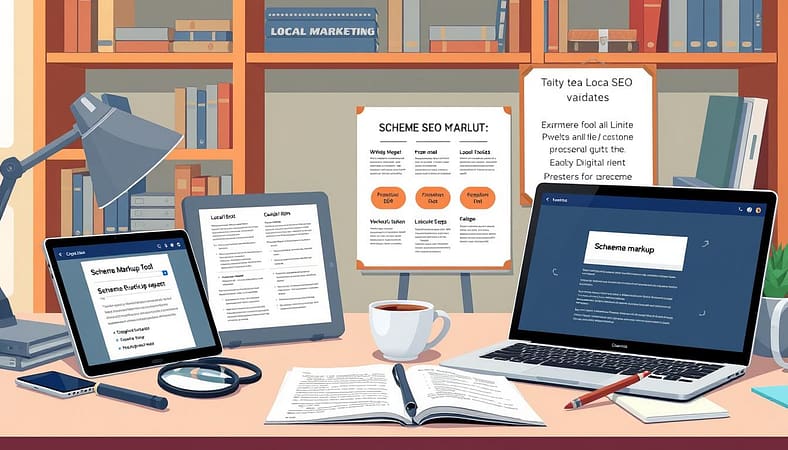
Let’s talk about dominating locally. SEMrush’s local SEO tools turn you into a coffee shop cartographer. They map search demand with the precision of Starbucks’ location scouts. Use the Position Tracking tool to:
- Benchmark against competitors’ neighborhood strongholds
- Optimize Google Business Profile content like a Yelp whisperer
- Track “near me” searches like a digital bloodhound
Now, let’s talk about schema markup. It’s not just code – it’s your website’s DVD director’s commentary for search engines. Our schema markup guide approach? Use SEMrush’s Site Audit tool to:
- Identify content opportunities needing richer context
- Implement product schemas that sell harder than infomercial hosts
- Monitor markup errors like a grammar-obsessed librarian
Why settle for basic search snippets when you can improve SEO with structured data? It tells Google your business hours, menu items, and event calendar. It’s like giving search engines VIP backstage passes to your content concert.
Pro tip: Pair local SEO efforts with schema markup for geo-targeted rich snippets. Imagine appearing in search results with your menu prices, star ratings, and “open now” status. It’s like rolling out a red carpet for hungry customers.
FAQs and Troubleshooting
Ever feel like Google’s playing hide-and-seek with your content updates? You’re not alone. Let’s solve three common SEMrush mysteries that confuse many website owners.
The Case of the Invisible Updates: “Published my changes 48 hours ago – why does Google show my 2017 meta description?” First, check your index status with SEMrush’s Site Audit. Second, make sure you’re not blocking crawlers. Use the URL Inspection Tool – it’s like leaving breadcrumbs for Googlebot.
The Great Traffic Plunge: When your analytics chart looks like a crypto crash graph:
- Check mobile load times (yes, we’re back to mobile optimization techniques)
- Review recent algorithm updates – Google changes rules more often than Twitter verification policies
- Run emergency SEO site audits focusing on crawl errors and broken links
The Celsius Conversion Conundrum: If your mobile speed scores look like they’re measured in furlongs per fortnight:
- Compress images until they’re smaller than a TikTok attention span
- Defer non-essential JavaScript – your parallax effects can wait
- Implement lazy loading faster than HBO Max removes shows
Remember: SEMrush’s Position Tracking tool isn’t just for rankings. It’s your early warning system for SEO tsunamis. Set alerts for significant drops like you’d set reminders for Succession finale episodes.
When troubleshooting feels overwhelming, ask yourself: “What would Benoit Blanc do?” The answer usually involves methodical data review, strategic adjustments, and possibly a dramatic accent.
Conclusion: Unlock Your Site’s Potential
Your website is like Middle-earth after the Ring’s destruction. The hard work is done, but the real rebuilding starts. SEMrush tips are not magic spells, but they’re very helpful. Like Forrest’s chocolates, SEO tools for beginners reveal surprises.
Long-tail keywords that no one’s chasing might be your Mount Doom moment. You’ve got the blueprint now. Track rankings like Taylor Swift monitors chart positions.
Audit your site with Sherlock-level scrutiny. Analyze competitors like you’re decoding the Matrix. The data’s there – it’s up to you to use it wisely.
SEMrush turns SEO from guesswork to chess. Every move’s calculated, but the game stays thrilling. Start small: optimize one page, outrank one competitor, fix five broken links.
Watch how these micro-wins create macro-results. Remember – Google’s algorithm changes fast, but solid fundamentals always win. Your site’s potential isn’t locked in some Mordor vault.
It’s waiting in the reports you’ll run tomorrow, the keywords you’ll target next week, the content upgrades you’ll deploy. The tools are here. The roadmap’s clear. Time to stop reading and start ranking – your Shire awaits.