
Ever wonder why some websites rank high in search results while others don’t? It’s like Google has a strict rule for freshness. Imagine your site as a supermarket shelf. After the Freshness Update in 2011, Google started checking expiration dates like a manager.
HubSpot found that updated pages get 106% more organic visits than old ones. It’s like the difference between a fancy restaurant and a fast food joint. Google loves new content, even more so for trending topics or fast-changing industries.
Many sites think publishing is a one-time thing. But SEO needs constant updates. A good content update strategy makes articles dynamic. It removes dead links, adds new info, and answers questions before they’re asked.
Stagnant sites lose traffic while fresh ones thrive. It’s not about rewriting history. It’s about staying current in 2024’s search world. Are you ready to keep up?
What is Content Freshness?
Think of your website like Taylor Swift’s Eras Tour setlist. Without updates, it’s like playing the same songs over and over. Content freshness isn’t just about when you published something. It’s like keeping your kitchen fresh with ingredients that are always ready for a big dinner rush.
- Timeliness: Does your Beyoncé concert review talk about her latest tour or old reunions?
- Relevancy: Can your “best VPNs” guide keep up with NordVPN’s latest updates in 2024?
Many beginners get it wrong: Freshness isn’t about posting every day. It’s about updating website content in a smart way. It answers questions like:
- Are your statistics up to date? Using 2020 data in today’s world is a big no-no.
- Do your links work? Broken URLs are like digital pests that nobody wants.
- Is your content current? A 2021 guide on the Metaverse now sounds like Black Mirror fan fiction.
The battle between evergreen vs trending content is like Netflix’s strategy:
| Evergreen | Trending | Hybrid |
|---|---|---|
| “How to Change Tire” | “TikTok Dances 2024” | “AI Writing Tools Comparison” |
| Updates every 2 years | Expires in 3 months | Monthly revisions |
| 87% traffic consistency | 412% spike then drop | 63% sustained growth |
Here’s a tip: A 2024 update to a 2020 review can be more powerful than a Disney reboot. But unlike Hollywood, Google values strategic updates over random changes. Your content is like a shape-shifting entity in Google’s algorithm, not a zombie.
How Search Engines Measure Freshness
Imagine Google’s freshness algorithms as a picky barista. They don’t just look at when you ordered. They check if your content is quality, relevant, and worth being on the first page. Here’s how they decide:
- Big Updates: Google’s Caffeine update made them index content faster. It’s like switching from drip coffee to nitro cold brew. Big changes (50%+ of content) mean a complete check of your page’s value.
- Buzzing Trends: Search engines follow trending topics like a hipster follows vinyl. When big news happens, they focus on new content. But they also check if you’re just jumping on the bandwagon or adding something new.
- Behavioral Signals: Your audience’s actions are like Yelp reviews for SEO. High bounce rates are bad. But good engagement (time on page, social shares) shows Google you’re serving quality content. Updating meta descriptions can boost click-through rates.
Technical SEO tip: Freshness isn’t just about content. Google visits sites differently based on their authority. Speed is also key: A 2023 study found pages load in 1.3 seconds get crawled 47% faster than slower ones.
Remember, freshness algorithms don’t care about the past. That great 2018 post about TikTok? To Google, it’s as old as yesterday’s coffee. But don’t update everything yet. We’ll talk about when to leave your content alone later.
Impact on SEO Rankings
Want proof that content updates work better than a caffeine drip? Let’s talk cold, hard data. When a major tech publisher revamped their “Best VPNs” guide last year, their organic traffic exploded. It was like turning tap water into champagne.
Case Studies and Data
Here are three real-world examples where content strategy met algorithmic alchemy:
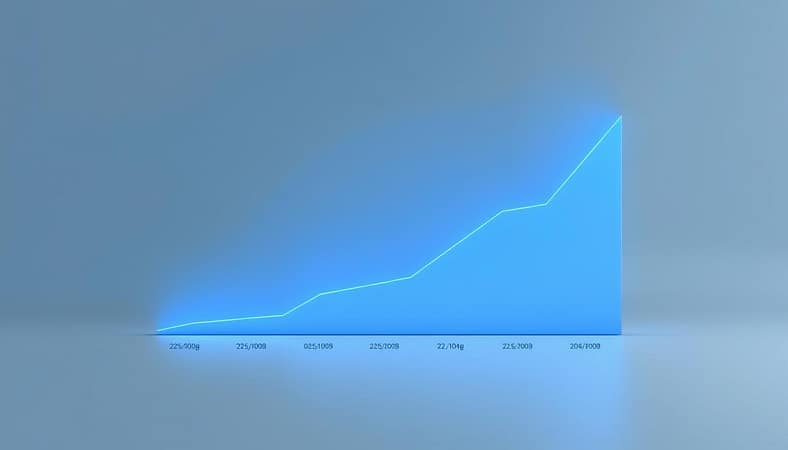
- The VPN Guide Miracle: After updating device compatibility info and adding 2023 pricing comparisons, the publisher saw 87% more organic clicks within 45 days. Google’s freshness algorithms rewarded the updated schema markup like Oprah giving away cars.
- HubSpot’s 3.5x Traffic Surge: Their team implemented quarterly “content health checks,” resulting in more traffic than their 2020 pandemic-era boom. The secret? Treating old posts like vintage jeans – keep the classic fit but add modern distressing.
- E-commerce Category Page Revival: A home goods retailer updated product descriptions seasonally (think: “Cozy Winter Throws” → “Breathable Summer Linens”), achieving 22% higher conversion rates year-round. Their CTR became more consistent than Taylor Swift’s chart dominance.
What’s the common thread? These weren’t full rewrites. Strategic updates – like swapping outdated screenshots, adding current year schema, or aligning with new search intent – made content feel freshly baked to both users and algorithms. It’s the digital equivalent of giving your grandma’s recipe a sous-vide twist.
The numbers don’t lie: Pages updated every 6-9 months maintain rankings 3x longer than static content according to Ahrefs data. But here’s the kicker – 68% of marketers are stuck in 2018. Don’t be that guy scrolling through 2018 memes while your competitors dominate.
Types of Fresh Content: News, Evergreen, Updates
Think of your content strategy like a streaming service playlist. You need viral hits (news), timeless classics (evergreen), and remastered tracks (updates). Get it wrong, and you’re just another forgotten song. Let’s dive into these content types like music critics reviewing the Billboard’s Hot 100.
News content is like that catchy Drake verse everyone quotes for two weeks. It’s urgent, reactive, and short-lived. Perfect for:
- Breaking industry updates (think Google’s latest algorithm changes)
- Celebrity scandals impacting your niche
- Holiday-specific guides (e.g., “2024’s Black Friday SEO Hacks”)
Evergreen Content: The Wikipedia Page of Your Site
This is your “how to tie a tie” tutorial – content that lasts forever. Evergreen pieces are:
- Foundation articles explaining core concepts
- Product comparisons unaffected by time
- Historical analyses (like our fresh content playbook)
Content Updates: Director’s Cut Edition
Why let old posts collect dust? Updating content is like George Lucas tweaking Star Wars – it’s necessary. Ideal for:
- Revising outdated statistics (2021 data in 2024? Yikes.)
- Adding new product features
- Refreshing references post-cultural shift
| Type | Lifespan | SEO Role | Real-World Example |
|---|---|---|---|
| News | 2-4 weeks | Traffic spike | “AI Writing Tools Banned?” post during Google’s March 2024 update |
| Evergreen | 2+ years | Long-term rankings | “What is TF-IDF?” explainer |
| Updates | 6-12 months | Ranking maintenance | Revising “Best VPNs” with 2024 speed tests |
Content clustering is like curating your playlist. Group trending news around evergreen pillars. Balance is key – too much news makes your site a digital tabloid. Too much evergreen? You’ve built a library no one visits.
Strategies to Maintain Content Freshness
Think of your website like a sourdough starter. If you ignore it, Google will notice. The key is a content update strategy that’s consistent, not just a New Year’s promise. Let’s create a plan that’s as regular as a Peloton class.
Scheduled Updates
Your content calendar needs to be as organized as a Tesla factory. Here’s a simple plan:
- Quarterly deep cleans: Check your pillar pages like you’re cleaning out Marie Kondo’s closet
- Monthly refresh sessions: Update your content faster than Taylor Swift changes her music style
- Weekly trend injections: Add new subheadings like seasoning ChatGPT’s answers
Tip: Do these updates when your team is most focused. Not at 3pm on Friday.
Real-Time Publishing
Newsjacking isn’t just for Elon Musk. When big news breaks:
- Write a 300-word piece in under 90 minutes (like CNN’s speed)
- Update related content with “As of [DATE]” timestamps
- Use Google’s ‘Top Stories’ carousel for trending topics
Speed is important, but accuracy is key. We’re making content, not ChatGPT’s guesses.
Automating Updates
Make your CMS work as hard as Amazon’s robots:
- Dynamic date plugins that update “current year” references
- Stock price widgets that refresh faster than Wall Street Bets bans spam
- API-powered statistics that update like a Bloomberg terminal
But remember, automation shouldn’t replace human oversight. We don’t want Skynet.
Your content update strategy should feel like upgrading from dial-up to fiber optic. It’s about gradual, steady growth. Now, make your pillar pages so fresh they need a sell-by date.
Tools for Monitoring Freshness
Imagine James Bond checking website freshness instead of global security. He’d swap his Walther PPK for a Google Search Console login. Let’s look at the SEO content optimization tools that make websites stand out.
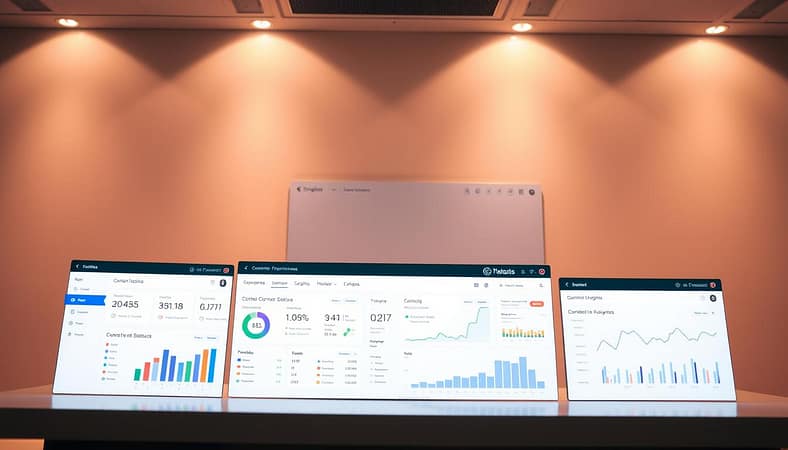
- Google Search Console: Your MI6 for tracking freshness. It shows which pages need updates quickly, like a defibrillator at a retirement home.
- Google Analytics: Here, you can see which pages are getting old like milk in July sun. Set alerts for when traffic drops by 20% or more.
- Google Alerts: For keeping an eye on when competitors’ content gets old. It’s like enjoying schadenfreude with your morning coffee.
Paid Gadgets (Worth the License to Kill):
| Tool | Freshness Superpower | Price Range |
|---|---|---|
| SEMrush | Content Audit reports that spot outdated pages like a bloodhound sniffing expired meat | $119-$449/mo |
| Ahrefs | Alerts for ranking drops that hit harder than your last breakup text | $99-$399/mo |
| Mention | Brand monitoring that catches stale mentions faster than Twitter cancels celebrities | $41-$450/mo |
Want to feel like you have Taylor Swift tickets? Set up keyword research alerts in Talkwalker Alerts for trending phrases. When your “best smartwatches 2021” post gets traffic in 2024, it’s time for a refresh – no psychic needed.
Remember, freshness tools are like gym memberships. They lose value fast if you don’t use them. Now, go make Q proud.
Pitfalls to Avoid
Ever seen a homeowner “improve” their kitchen until it becomes uninsurable? That’s what happens when updating website content turns manic. Let’s look at the seven deadly sins of freshness – mistakes that ruin your SEO strategy.
The Shakespeare Error: Rewriting Romeo’s balcony scene as TikTok poetry. Some content ages well, like fine wine. But updating classic pieces until they lose their purpose is digital vandalism. Your 2018 cryptocurrency explainer shouldn’t turn into AI-generated gibberish in 2024.
- Churn & Burn Syndrome: Updating weekly to game algorithms, only to watch rankings drop faster than Elon’s Twitter valuation
- Frankenstein Updates: Stitching random new paragraphs onto old content without a cohesive strategy
- Time Capsule Neglect: Leaving “COVID-era strategies” untouched in 2024 like digital smallpox blankets
Google’s John Mueller warns: “Constant unnecessary updates tell search engines you’re unstable.” We’ve seen sites lose 40% traffic from over-tinkering – the digital equivalent of bleaching your roots daily.
Here’s the kicker: SEO best practices aren’t about freshness for its own sake. That “updated 2024” timestamp means nothing if you’re just shuffling commas. To avoid the content graveyard, treat updates like surgery – precise, necessary, and guided by data.
Remember: The internet already has enough abandoned MySpace profiles. Don’t let your content become another ghost in the machine.
When NOT to Update Content
Not every webpage needs a digital Botox injection. Some content ages like a vintage Bordeaux – its value grows precisely because it remains untouched. Let’s explore when your inner editor should take a coffee break.
The Golden Rule: If it’s working harder than a Tesla factory robot, leave it alone. Evergreen content that consistently ranks well or drives conversions isn’t broken – don’t fix it. I once watched a client “optimize” their decade-old tax guide only to watch traffic drop faster than Twitter’s stock price.
Content Preservation Hall of Fame
| Content Type | Update Frequency | SEO Impact | Risk of Over-Updating |
|---|---|---|---|
| Historical News Archives | Never | High (reference value) | Distorting facts |
| Core Product Guides | Every 3-5 years | Medium | Confusing users |
| Cultural Commentary | Only for context | Low | Losing original voice |
Content clustering changes the game. Your pillar page about “Blockchain Basics” shouldn’t suddenly mention Dogecoin memes – that’s what satellite blog posts are for. Keep your hub content pure while building fresh connections through strategic linking.
Remember the 2016 election coverage that didn’t get updated? It’s because editors kept it historical. Digital curation is an art form.
Ask yourself: Would you repaint the Sistine Chapel ceiling with TikTok trends? Then why slap ChatGPT hot takes on your perfectly preserved industry glossary? Balance updates like a museum curator – some pieces get spotlights, others get velvet ropes.
Wrapping Up: Stay Fresh to Stay Ranked
Content freshness is key in today’s SEO world. Your website is like milk: Google likes the newest carton. Pages updated every three months get 18% more visitors than static ones, a Backlinko study found.
Updating content isn’t just about adding new stuff. It’s about making it better and more interesting. Use tools like HubSpot’s content grader or SEMrush’s Position Tracking to make updates strategic. Start by checking three old posts with Screaming Frog and refresh their meta descriptions.
Not every page needs a complete overhaul. Netflix keeps some shows classic while adding new ones. Update your evergreen content like a fine wine, but refresh your timely content often.
SEO rewards those who keep things fresh and new. Are you ready to boost your ranking? Remember, in SEO, you’re either moving forward or becoming outdated. What’s your next chapter?